
Escapism: a much needed concept for brand experiences
Every brand wants immersive experiences. There’s one blueprint we can all learn from, and it lives right here in Tokyo.

You probably heard of them: teamLab. With multiple venues across Japan, they hold the Guinness World Record for most visited museum by a single art group. 2.5 million visitors per year. Over 10 million total since opening. 70% of international visitors book their tickets before even arriving in Japan.
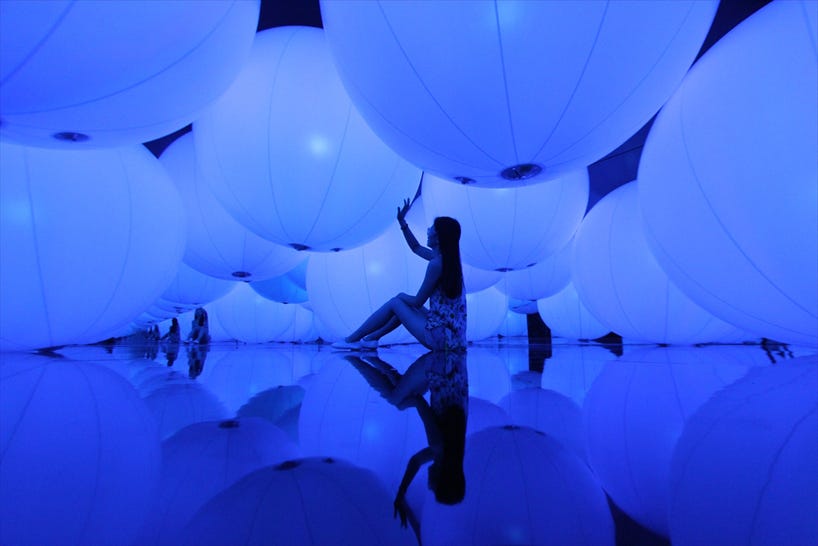
People fly to Tokyo specifically for this. Not as an afterthought. As the reason.
And here’s the thing: teamLab doesn’t sell anything inside. No products. No gift shop pushing merchandise. No loud promotional music. You pay for the ticket, you walk in, you experience. That’s it.
So why does it work so well? And what can brands learn from it?
Escapism beats utility
Your AR try-on helps people decide. Your product configurator supports choices. Your branded filter builds awareness. All useful - but none of them transport.
These are functional tools. Valuable, but they keep you firmly in your reality. You’re still in your living room checking if sneakers match your outfit.
Escapism is emotional transport. Taking someone out of their daily reality and into something that provides wonder, relief, or transformation. You’re not making a decision. You’re being taken somewhere else.
This matters especially now. In our current context - where the news feels relentlessly bleak and screens demand constant attention - the need for genuine escape has never been stronger.
What teamLab gets right
At teamLab, you take off your shoes, walk into ankle-deep water, projections surround you, sense of time and location dissolve. For 2 hours, you’re somewhere else entirely.
No sales pitch. No upsell. No gift shop inside the experience. Just immersion.
And it commands premium pricing. It’s not cheap, and people pay gladly. They come back. They tell their friends. They post on social media.
Why? Because the escape is real. The value is the experience itself, not what it leads to.
The principles brands should steal
After years of working on immersive brand experiences, here’s what teamLab teaches us:
1. Emotion first, tech invisible
teamLab never leads with “we use projection mapping and interactive sensors.” They create wonder first. The technology disappears.
2. No selling inside the escape
If you pitch something, you break the spell. You remind people they’re consumers, not explorers.
3. Make it social
People go to teamLab together. They photograph together. They share. Unlike solo VR, the escapism is collective.
4. Earn the friction with real awe
There’s friction: booking tickets, traveling, taking off your shoes. But the awe is proportional. The effort feels worth it.
5. Premium pricing works when the escape is genuine
teamLab is not cheap. If your immersive experience is a gimmick, people won’t pay. If it genuinely transports them, they’ll pay premium and thank you for it.
Build a dream
Some brands are applying these principles, but many others still fail. They build tools disguised as experiences. Functional, forgettable.
Too often, brands approach interactive experiences asking “how can we use this technology?” The better question is: “where do we want to take people?”
Are you building a tool, or building an escape?
If it’s a tool, make it useful and frictionless. If it’s an escape, commit fully. Remove the sales pitch from inside. Build a dream. Build a privileged moment out of this world.
The ROI will come more naturally than with incentives. That’s what teamLab figured out. The experience IS the product. And 10 million visitors later, it’s clearly working.
What brand experience actually made you feel transported? Let’s discuss!
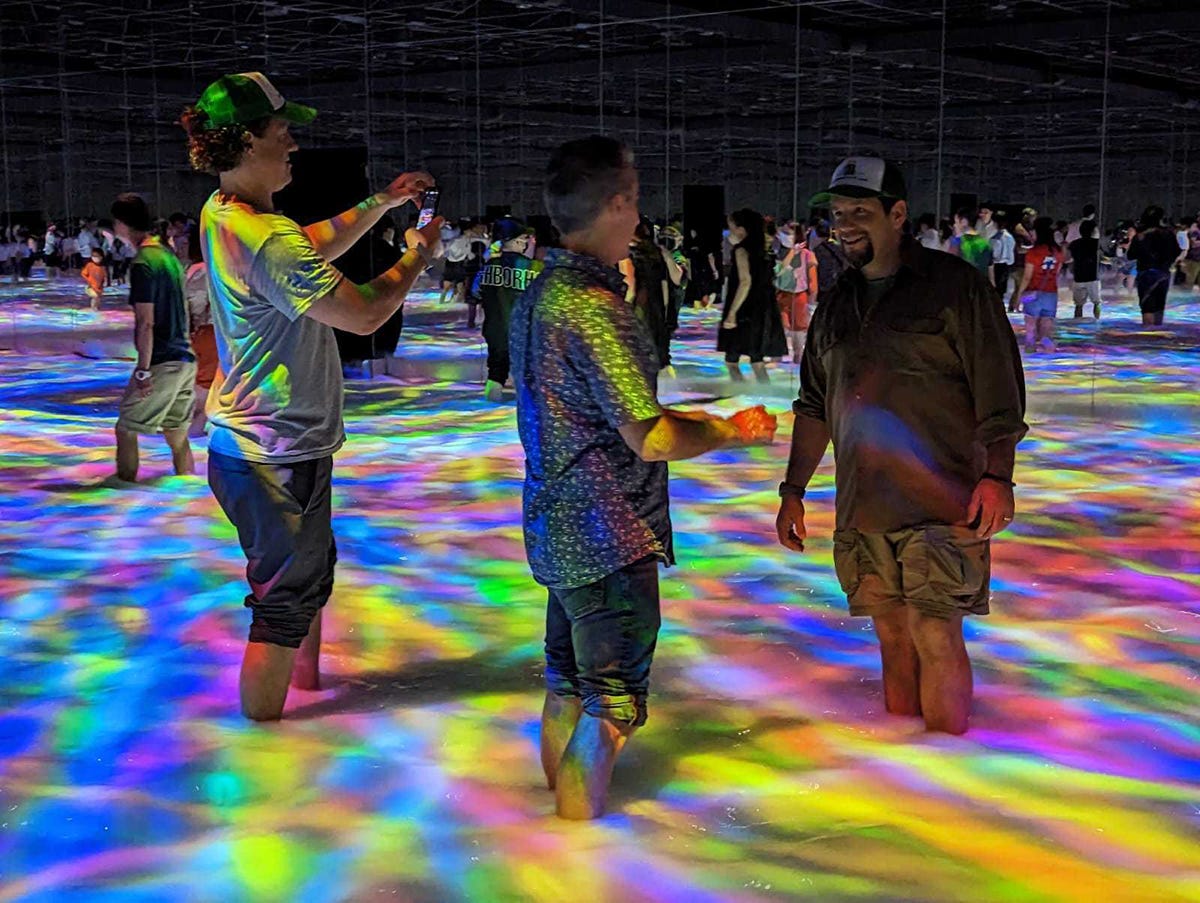
Visited this museum on my trip to Japan for these exact reasons. As a producer of brand experiences, the immersive world building was next level. Loved that every room was about wonder, awe and feeling out of your comfort zone.